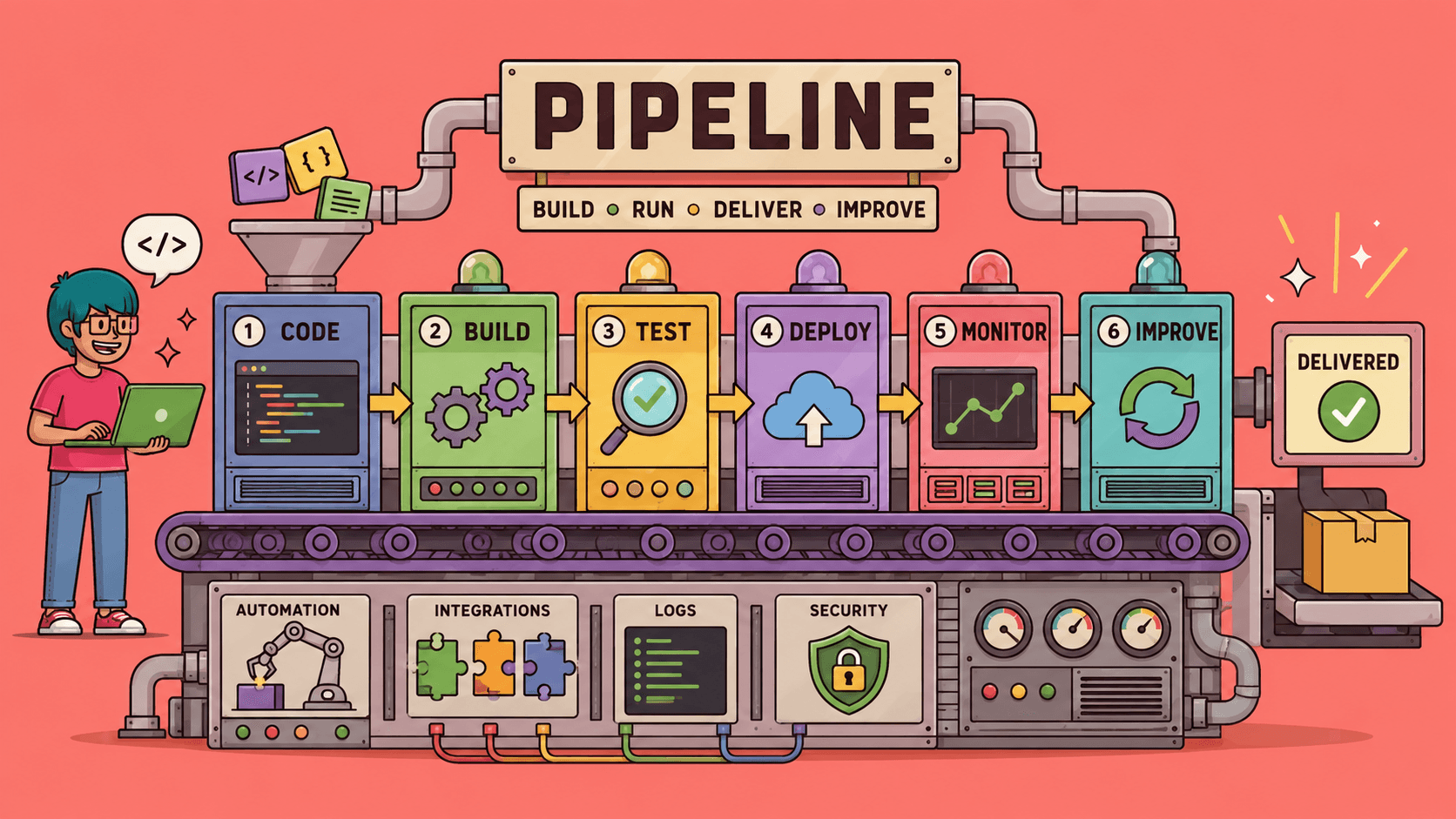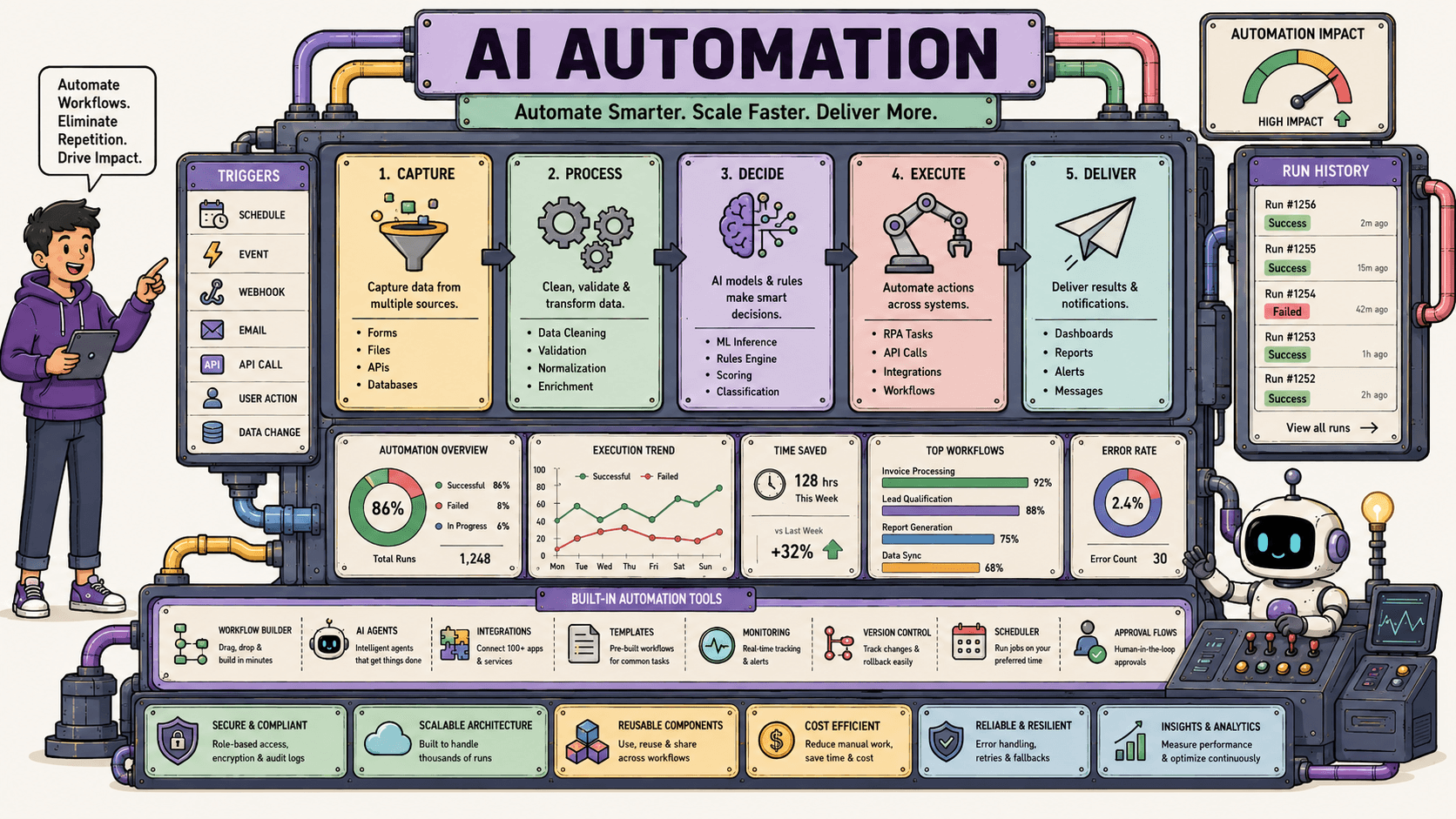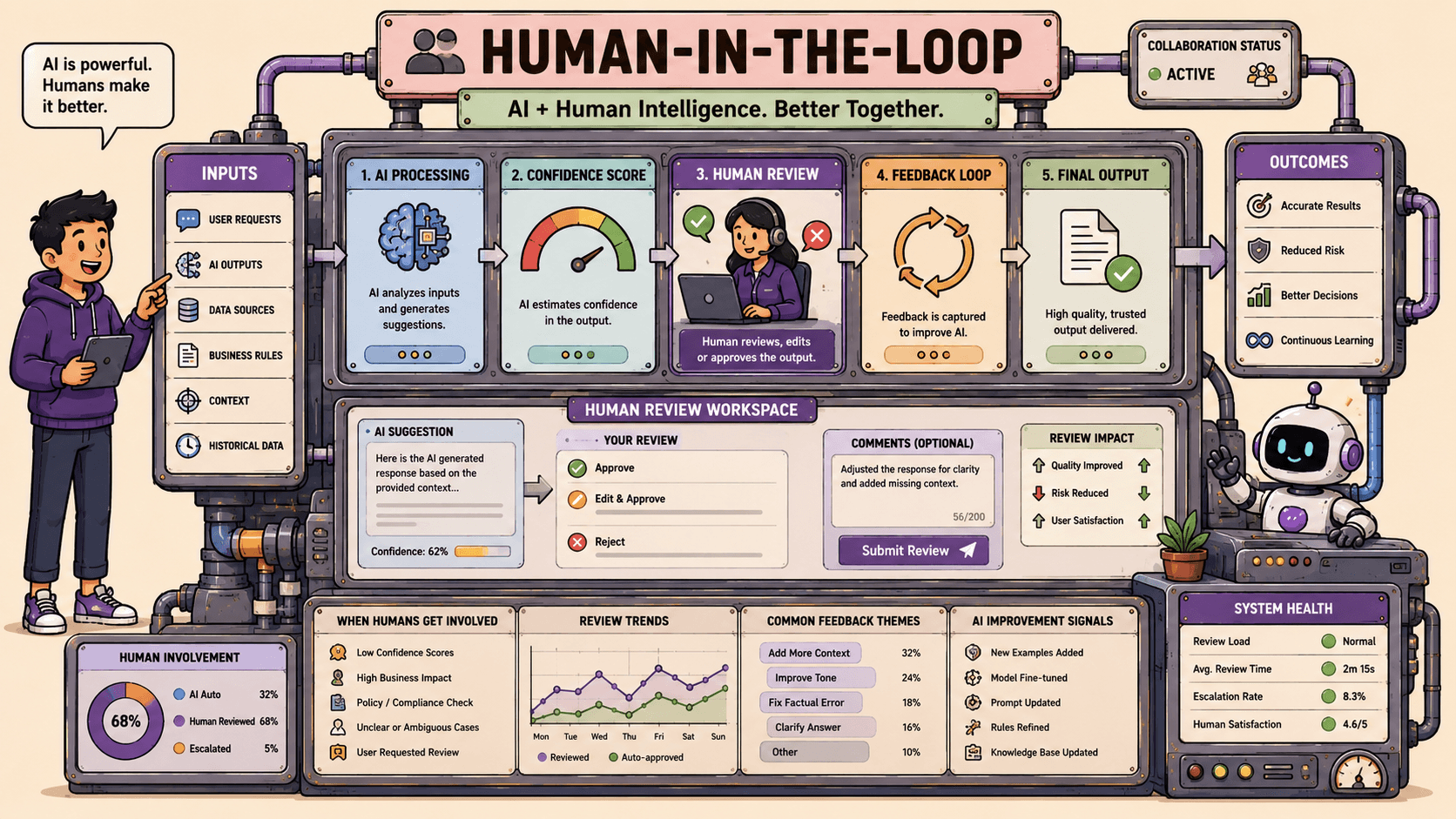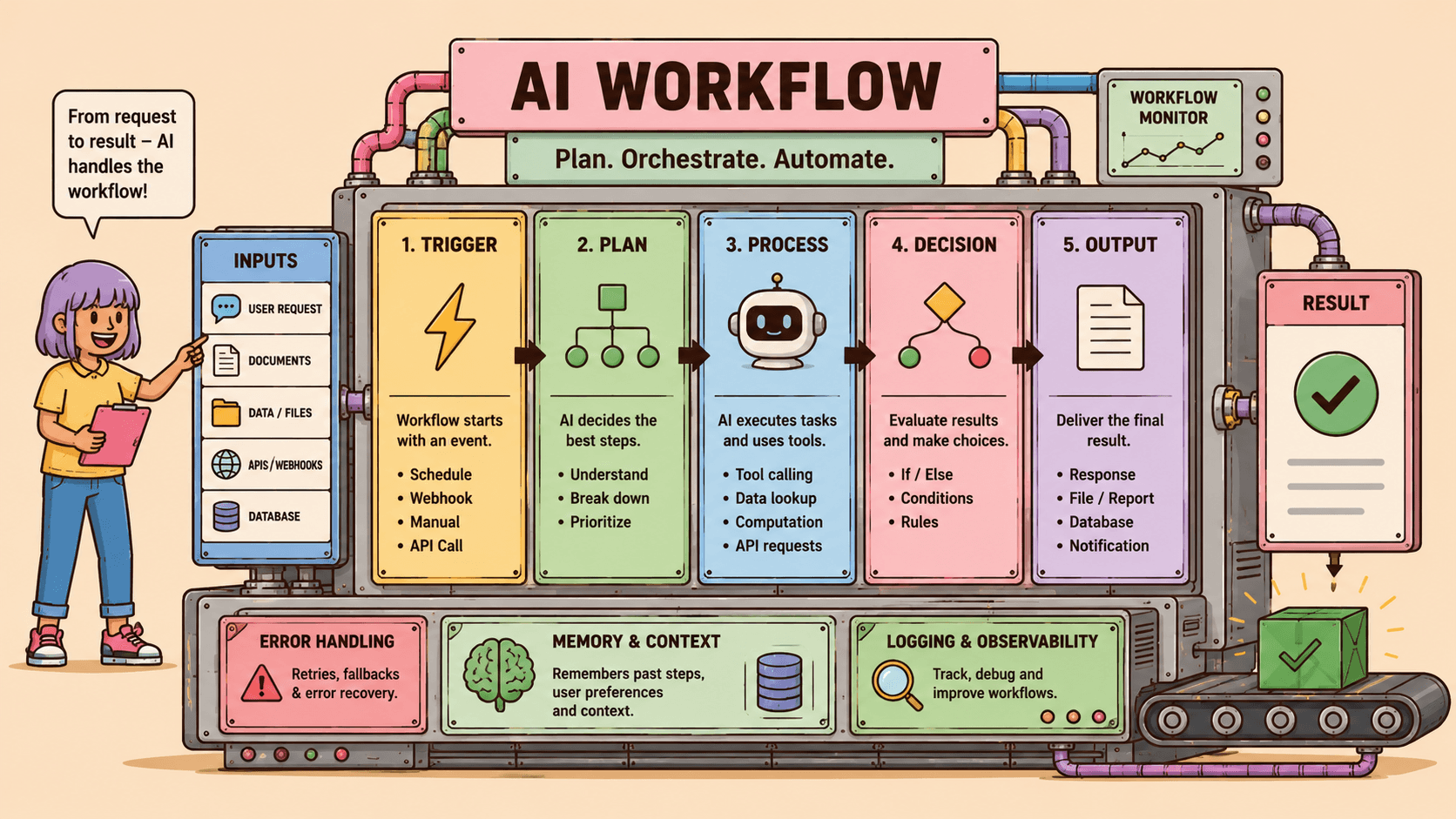
AI workflows are repeatable sequences — trigger, context assembly, model steps, validation, side effects — I can run daily without reinventing.
In my daily workflow
- I name the workflow and list inputs, outputs, and failure modes.
- I automate steps that do not need judgment; flag steps that do.
- I store workflows as code (graph, script, or n8n) — not chat logs.
- I review metrics weekly: latency, cost, success rate, human overrides.
How it makes me work smarter
Workflow thinking stops one-off heroics. Content publish, embedding refresh, and assistant reply all follow templates. New features plug into existing stages instead of forking yet another ad-hoc script.
My setup
- LangGraph for multi-step agent flows
- Server actions for CMS-side effects
- n8n for external triggers
- Checklists in skills for human steps
On this portfolio
Publishing a writing triggers revalidation, sitemap update, and optional re-embed. The assistant workflow retrieves, generates, validates citations, streams, and logs PostHog events — same shape every time.