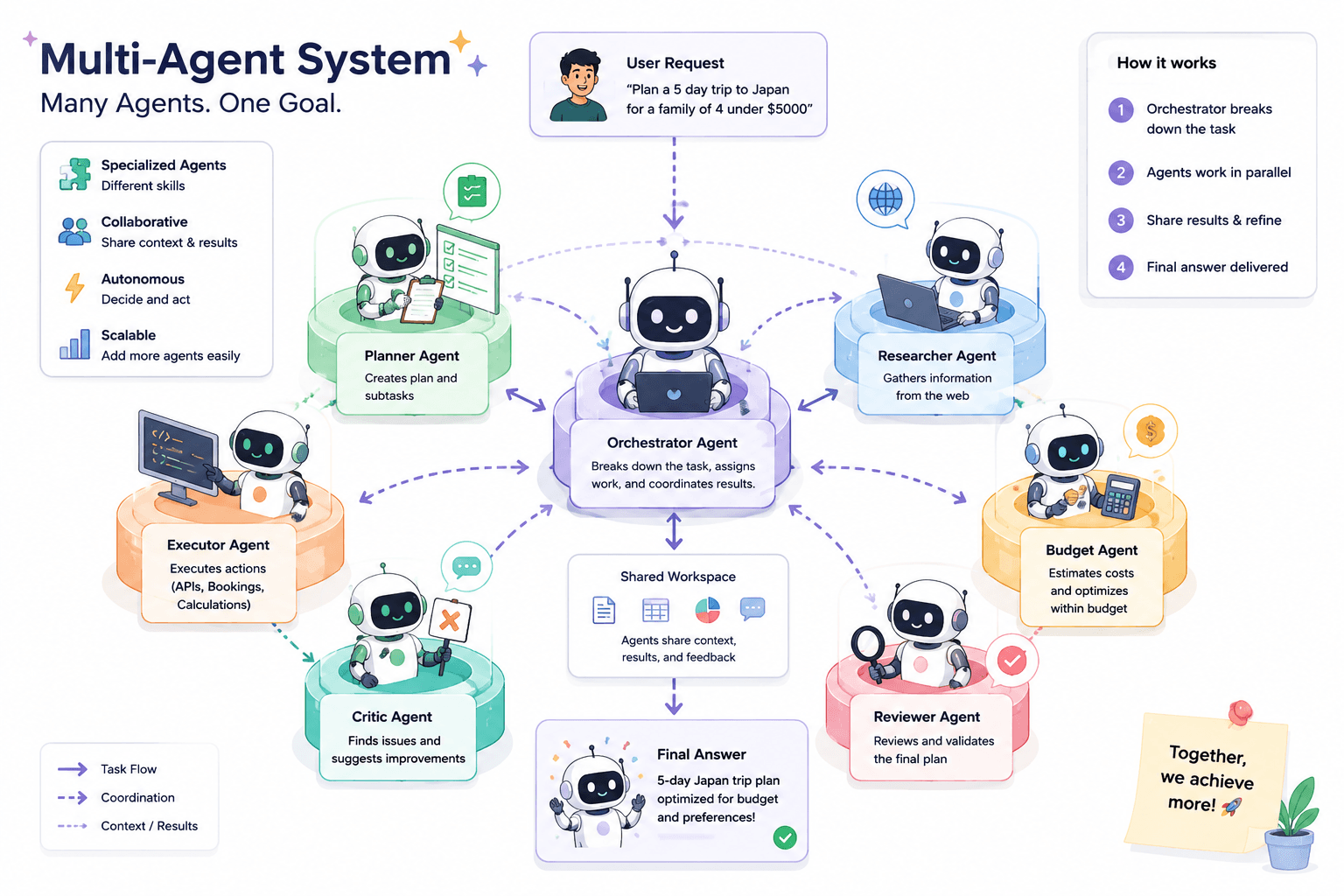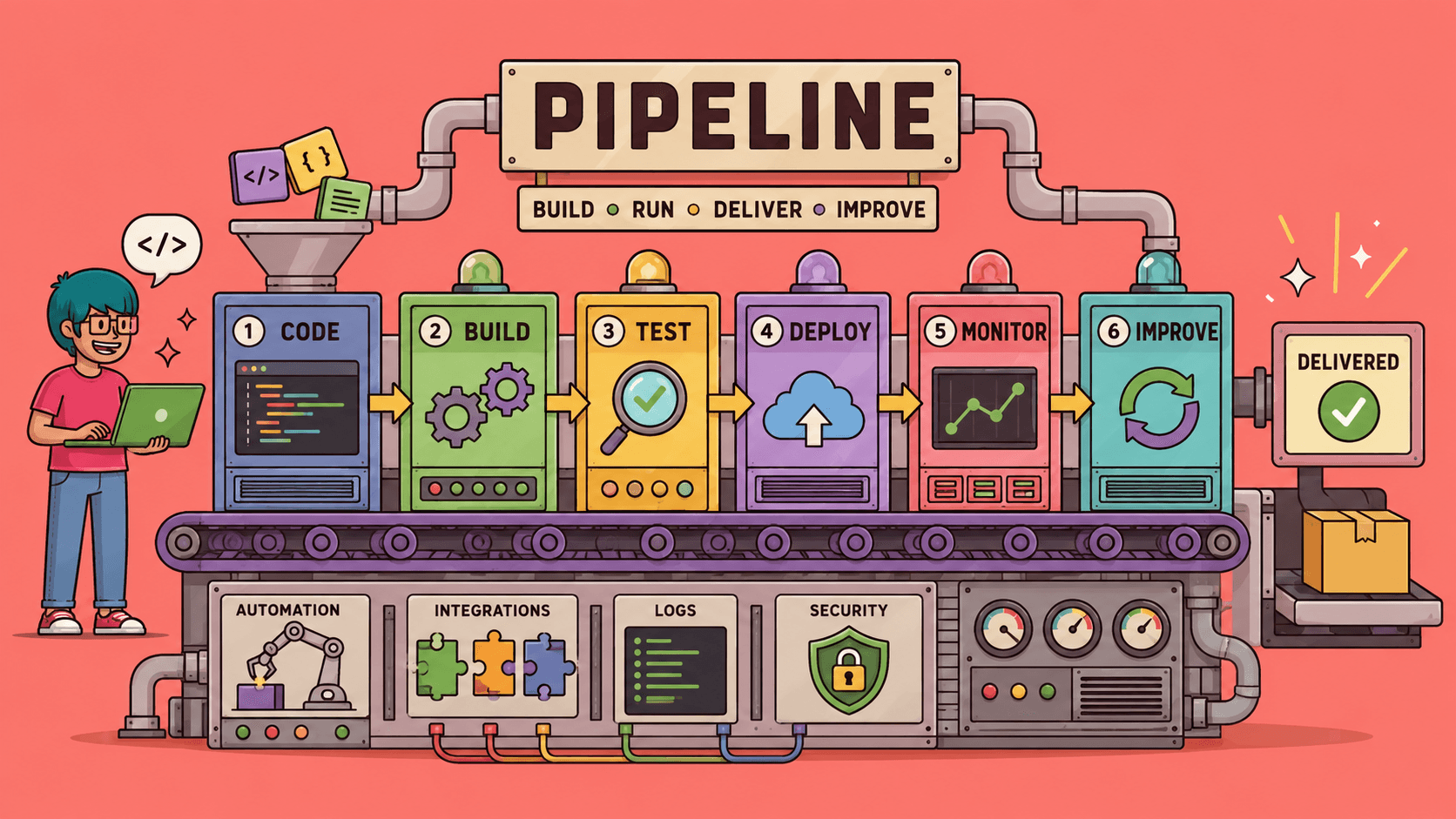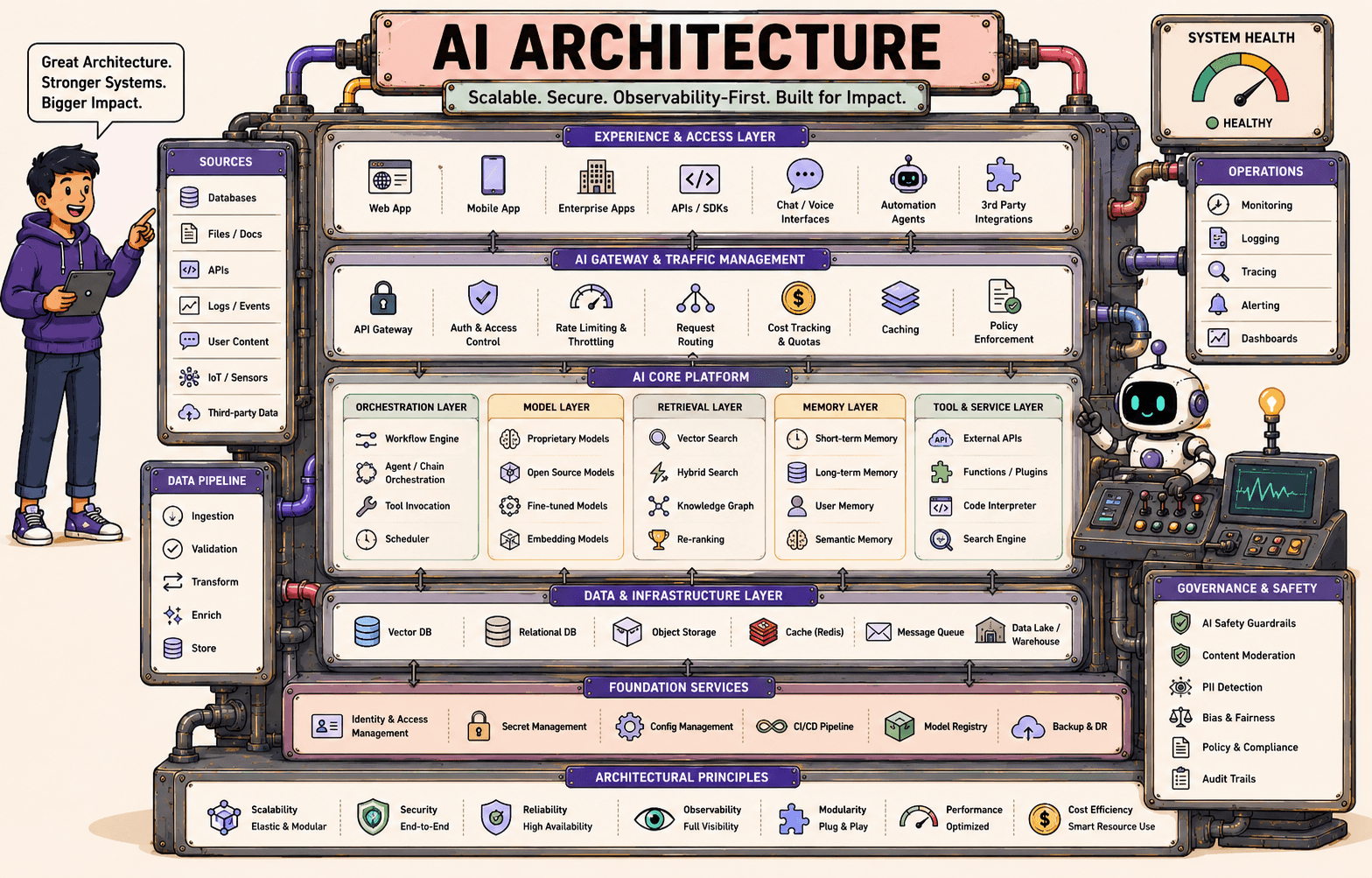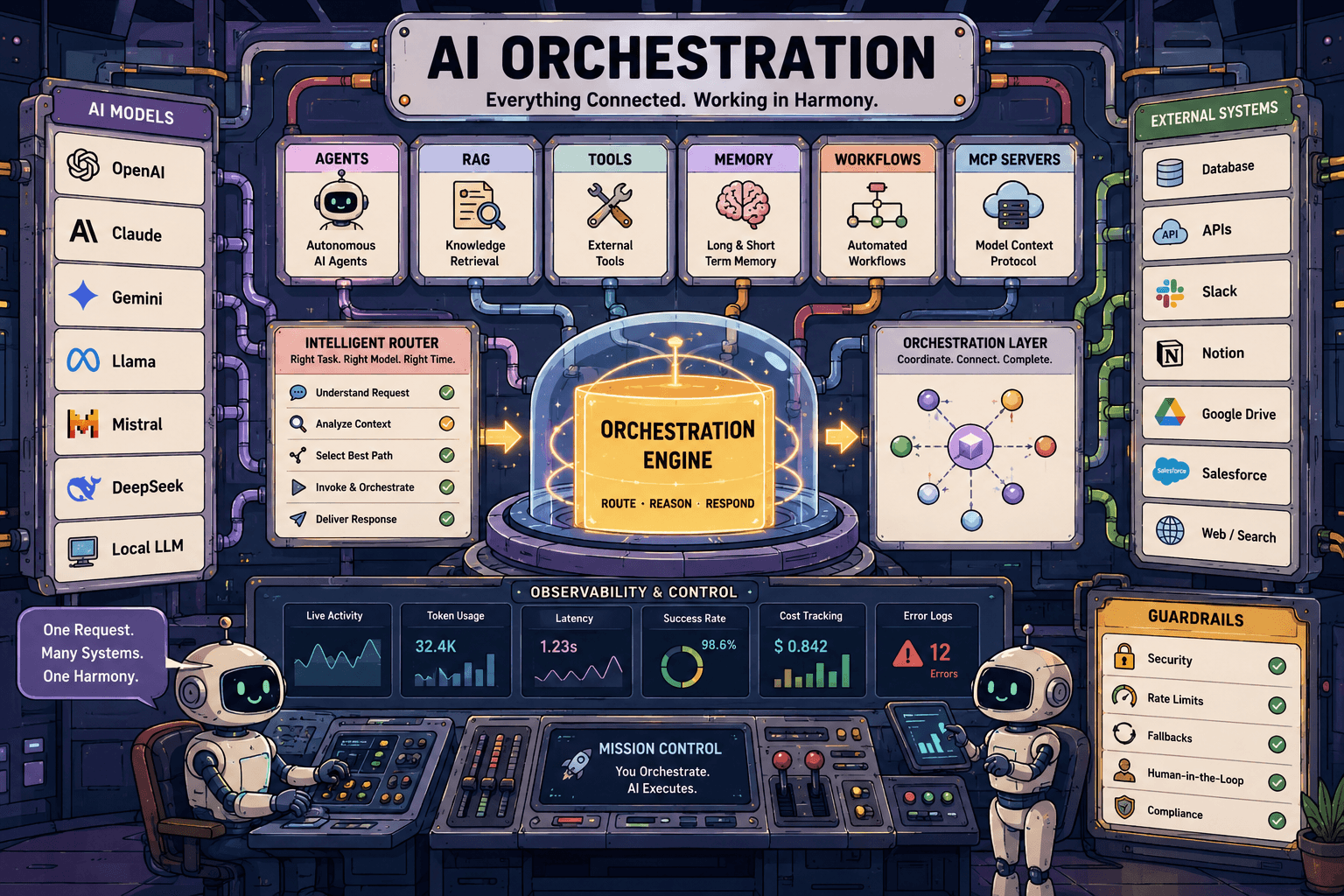
Orchestration is routing work across models, tools, and queues — who runs next, with what input, under what timeout.
In my daily workflow
- I diagram the graph: nodes, edges, parallel fan-out, join points.
- I assign models by step: cheap classify, strong generate.
- I set per-node timeouts and fallback paths.
- I trace orchestration in observability tools when latency spikes.
How it makes me work smarter
Without orchestration, agents become spaghetti callbacks. LangGraph gives explicit state and edges — I can replay, test, and visualize. Production orchestration also means retries at the right layer, not double-charging the user for full reruns.
My setup
- LangGraph StateGraph with typed state
- Conditional edges on classifier output
- Parallel retrieval where independent
- Vercel workflow or queue for long-running branches
On this portfolio
The copilot workflow orchestrates retrieval, planning, tool execution, and response synthesis. Public API routes stay thin; orchestration logic lives in the graph module with tests on transitions.